Last updated October 16, 2026
Since 2012 we have built and resurfaced pool decks around existing pools across the Phoenix Valley, and the choice almost always comes down to three surfaces: poured concrete, concrete pavers, and travertine. Each behaves differently in 115-degree heat, under monsoon runoff, and on the caliche soil that moves under every Phoenix slab. Here is how they stack up head to head on the things that actually decide a deck: heat underfoot, slip, cost, repair, and look. To be clear on scope, we build the hardscape around your existing pool, we do not build the pool itself.
How do concrete, pavers, and travertine compare for an Arizona pool deck?
Across a Phoenix pool deck, the three surfaces split cleanly. Poured and stamped concrete is the cheapest to pour and the most uniform, but it runs hottest, gets slick when sealed, and cracks as caliche soil moves. Concrete pavers cost more, stay cooler in light tones, grip well when wet, and can be repaired one unit at a time. Travertine sits at the top for coolness and looks, a natural limestone that stays walkable barefoot where concrete scorches. The table below lines them up on the five things homeowners actually ask about. Treat the costs as directional ranges we see on local installs, not quotes, because your real number depends on deck size, condition, drainage, and an on-site estimate.
| Surface | Heat underfoot | Slip when wet | Typical installed cost per sq ft | Repair | Look |
|---|---|---|---|---|---|
| Poured / stamped concrete | Warmest, hotter if dark | Fair, can be slick sealed | about 8 to 20 dollars | Patch or recoat, cracks return | Uniform, can stamp to mimic stone |
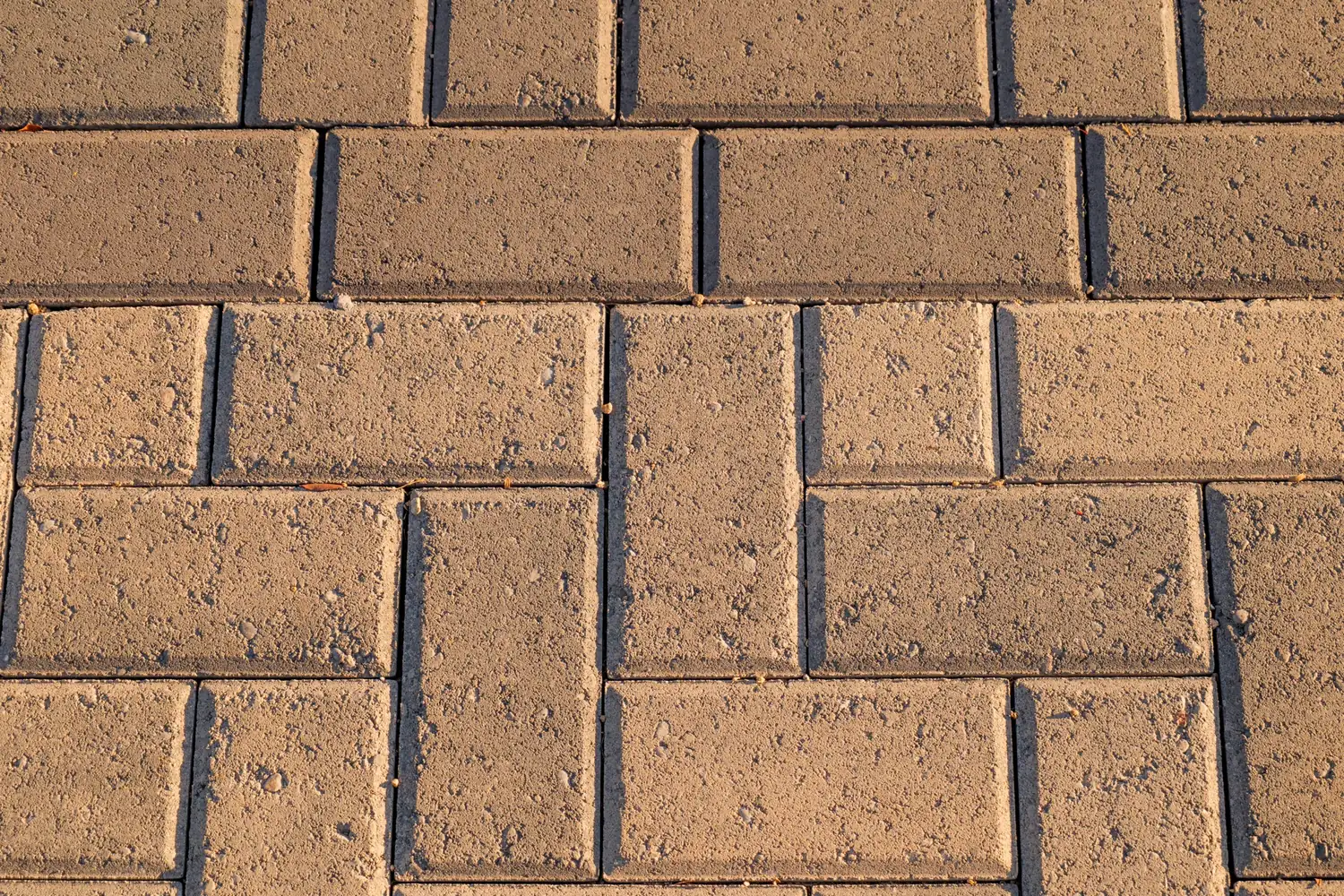
| Concrete pavers | Cool to moderate in light tones | Good, textured finish | about 12 to 25 dollars | Lift and reset single units | Widest color and pattern range |
| Travertine | Coolest in ivory and light tan | Strong, natural texture | about 18 to 35 dollars | Lift and reset single stones | Premium natural stone |
Which pool deck material stays coolest underfoot in Phoenix?
Heat underfoot is the number one reason Phoenix homeowners redo a deck, and the ranking is consistent: light travertine runs coolest, light concrete pavers sit in the cool to moderate range, and poured or stamped concrete runs warmest, especially in the darker colors that soak up the 115-degree summer sun. Two things drive this far more than the material name. Color comes first, because a light ivory or buff surface reflects the intense Arizona sun while a charcoal one absorbs it. Texture comes second, because a matte, lightly textured face reads cooler and grips better than a smooth sealed one. Travertine wins here because the stone is naturally dense and porous, holding less heat than a concrete slab, and it is quarried in the ivory and tan tones that stay coolest. If barefoot comfort in July is the priority, that is the case for travertine or a light paver over poured concrete.
Why does poured concrete crack on Phoenix pool decks when pavers do not?
Poured concrete is a single rigid slab, and Phoenix soil is the problem it cannot solve. Caliche, the cement-hard calcium layer under most Valley yards, sheds water instead of absorbing it, so during monsoon storms the ground swells and shifts. A slab has no way to give, so it cracks, and a crack in a pool deck only grows with each season. Pavers and travertine are individual units set on a compacted aggregate base, so the field flexes and settles evenly instead of splitting. That same difference decides repairs. When a paver or a travertine stone chips, stains, or settles, we lift and reset a few pieces and the deck looks whole again. When concrete cracks, the honest fixes are patching, which stays visible, or an overlay, which only follows the damage underneath until the slab is torn out and repoured. Over a 20-year span around a pool, that repair gap is where pavers and travertine earn their higher up-front cost.
Which pool deck looks best, and will my HOA approve it?
On looks, concrete is the uniform, budget choice and can be stamped to mimic stone or tile, though the pattern repeats and the color can fade in full sun. Concrete pavers give the widest range of colors, shapes, and laying patterns, so you can match a modern or traditional home and tie the deck into a patio or outdoor kitchen. Travertine is the premium natural stone, with soft, varied color that will not wash out because it is quarried rather than dyed. Because so much of the Phoenix metro sits inside HOAs and master-planned communities, the look also has to clear architectural review. Light travertine and neutral paver tones read as upscale, approved finishes in most Valley communities, and some require you to submit the material and color for design review before work starts. We build to that spec and provide the documentation your submittal needs. One scope note on all of this: we build the deck, coping, and hardscape around your existing pool, we do not build, install, or remodel the pool itself.