Last updated September 25, 2026
After building paver patios and pool decks across the Phoenix Valley since 2012, the question we hear most in summer is simple: which paver will not burn my feet? The honest answer is that color matters more than the material name. Below is how the common options compare for heat, and where each one makes sense in an Arizona yard.
Which pavers stay coolest in Arizona heat?
Ranked from coolest to warmest underfoot, light natural travertine leads, followed by light-toned porcelain and light concrete pavers, then standard concrete pavers, with dark pavers and dark poured concrete the hottest. The reason is reflectivity: lighter surfaces bounce more of the Phoenix sun back instead of absorbing it. Two pavers made of the same material can feel very different if one is buff and the other charcoal.
| Surface | Typical tone | Relative heat underfoot | Best for |
|---|---|---|---|
| Natural travertine | Light ivory to walnut | Coolest | Pool decks, patios walked barefoot |
| Porcelain pavers (light) | Light, many finishes | Cool | Modern patios, pool decks |
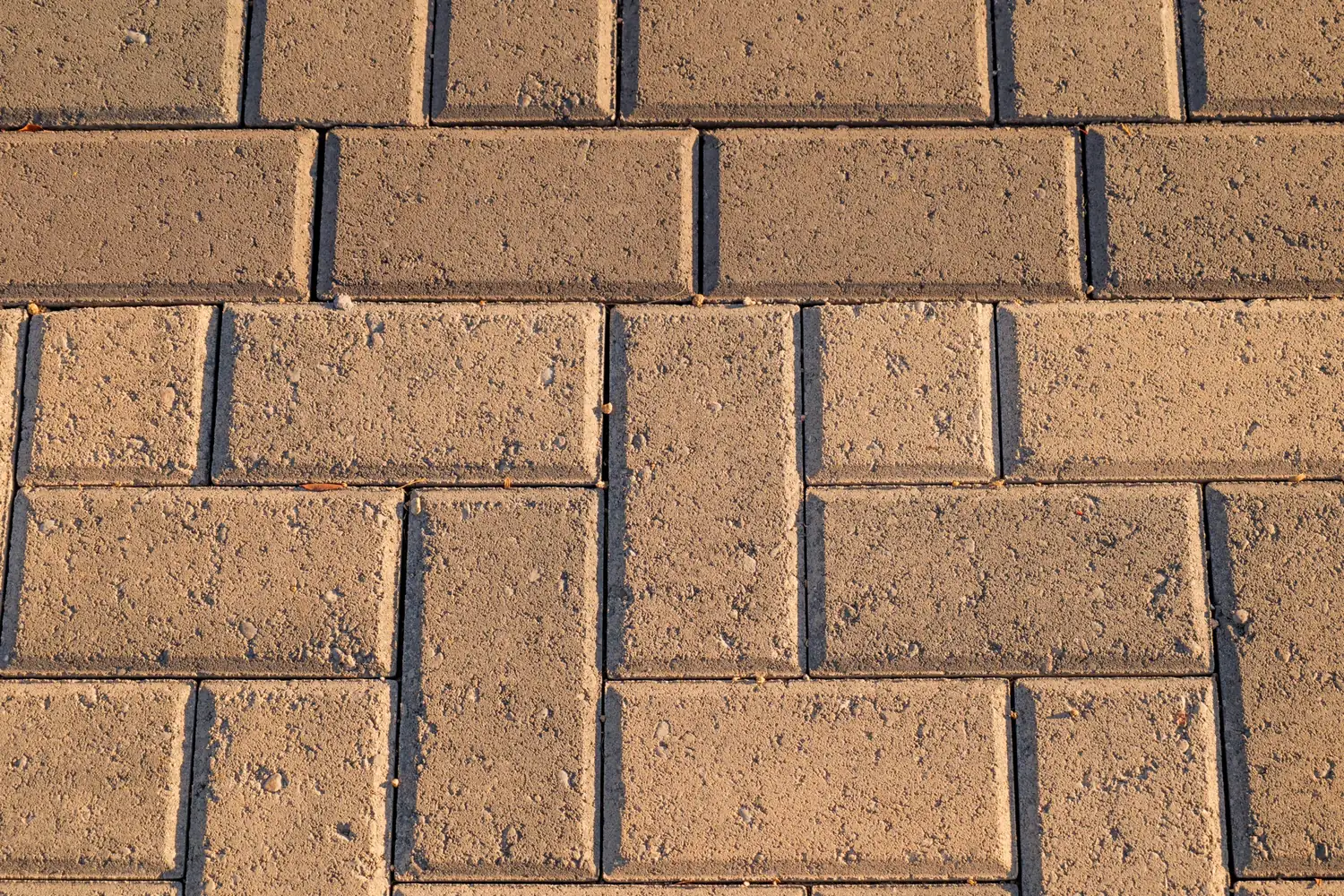
| Concrete pavers (light) | Tan, buff, light gray | Cool to moderate | Patios, walkways, driveways |
| Concrete pavers (standard) | Mid gray, blends | Moderate | Driveways, general patios |
| Brick pavers | Red to brown | Moderate to warm | Traditional walkways, accents |
| Dark pavers or dark concrete | Charcoal, espresso | Warmest | Shaded areas, accents only |
Why does paver color matter more than material?
Sunlight heats a surface by how much it absorbs versus reflects, and color is the biggest driver of that. A light travertine and a light concrete paver in full sun end up much closer in temperature than a light and a dark version of the same product. So when the goal is a cooler deck, we steer homeowners toward lighter tones first, then compare materials for durability, look and budget. In shaded areas the color matters far less, so darker accents are fine under a pergola or ramada.
What are the best pavers for a pool deck in Arizona?
For pool decks we most often recommend light travertine or a light porcelain paver. Both stay comfortable underfoot in summer, resist slipping when wet, and hold their color through years of full sun and chlorine splash. Travertine has natural texture and a premium look, while porcelain offers large formats and very low maintenance. Solterra builds the deck and coping around your existing pool. We do not build or install pools, only the hardscape around them.
How can I keep any paver cooler?
Beyond choosing a lighter tone, shade is the biggest lever: a pergola, ramada or shade sail over a seating area drops surface temperature dramatically. A quick rinse cools any paver for a while, and lighter joint sand and surrounding turf or planting reduce reflected heat. During your estimate we can walk the yard, note which areas bake in the afternoon sun, and lay out materials and shade so the spaces you use most stay usable in July.