Last updated September 25, 2026
We have installed both paver and poured concrete surfaces across Phoenix, Scottsdale and the East Valley since 2012, and the pavers versus concrete question comes up on nearly every estimate. There is no single winner. The right call depends on your soil, your budget, how the space gets used, and how the surface will look in ten years. Here is how the two honestly compare for Arizona conditions.
How do pavers and concrete compare across cost, cracking, heat and lifespan?
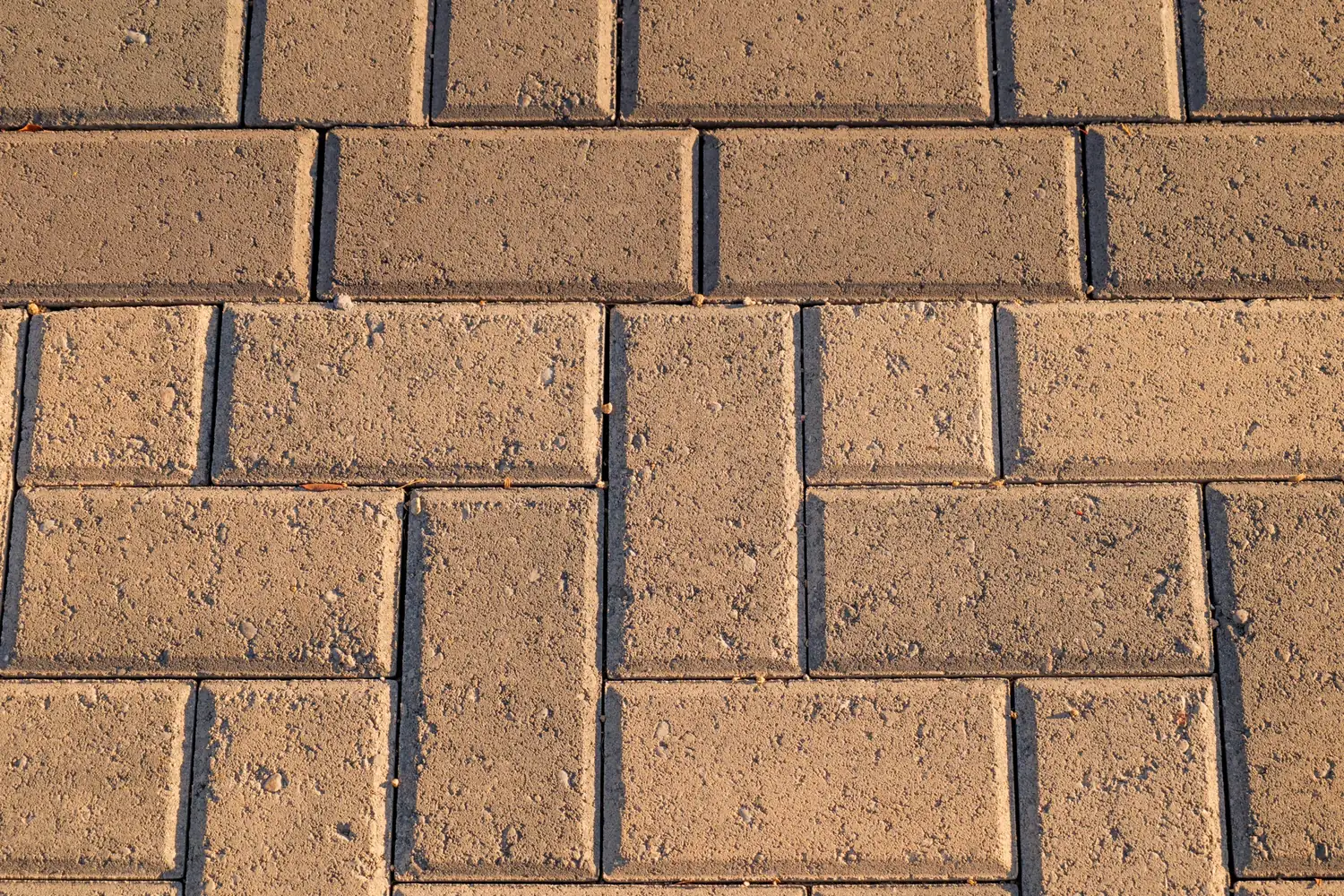
Here is the honest, side-by-side view we give homeowners. Poured concrete wins on upfront cost and works well for plain utility slabs. Pavers cost more to install but hold up better against the two things that punish hardscape here: caliche soil that shifts and monsoon rain that undermines a rigid slab. A paver surface flexes with ground movement, so it rarely develops the wide cracks a concrete slab does. Pavers also let you pick lighter, cooler tones and repair damage one unit at a time. Use the table to weigh what matters most for your yard, then plan around your budget and how the space gets used.
| Factor | Pavers | Poured concrete |
|---|---|---|
| Upfront cost | Higher, typically 18 to 30 dollars per square foot installed | Lower, typically 8 to 15 dollars per square foot installed |
| Cracking in caliche and monsoon | Flexes with soil movement, resists wide cracks | Prone to cracking as caliche shifts and dries |
| Heat underfoot | Light tones available to stay cooler | Standard gray warms up, dark finishes hottest |
| Repair | Lift and reset single units, no patch scar | Patches rarely match, cracks stay visible |
| Lifespan | Decades, units replaceable to stay like new | Long structurally, but cracks worsen with age |
| Look | Many colors, shapes and patterns, premium finish | Plain slab, stamping can fade and crack |
Which holds up better in Arizona's caliche soil and monsoon season?
This is where pavers earn their price in Arizona. Much of the Valley sits on caliche, a hard, cement-like layer that traps water and shifts unevenly. When monsoon storms saturate the ground and it dries out again, that movement transfers straight into a rigid concrete slab, which is why so many Phoenix driveways and patios crack within a few years. A paver surface is built on a compacted, draining base and is made of many small units, so it moves with the soil instead of fighting it. If settling does occur, we lift the affected pavers, correct the base, and reset them. The result is a surface that stays level and crack-free far longer in desert conditions.
Do pavers or concrete cost more in Phoenix?
Upfront, poured concrete is the cheaper option. In the Phoenix market we generally see standard concrete slabs land lower per square foot, while a quality paver install runs higher because of the added material, base work and hand-laid labor. As a directional guide, concrete often falls in the range of 8 to 15 dollars per square foot and pavers in the 18 to 30 dollars per square foot range, but decorative finishes, access, tear-out and site conditions all move those numbers. What narrows the gap over time is repair: cracked concrete is expensive to fix cleanly, while pavers are maintained unit by unit. The only accurate number is one from an on-site estimate of your actual yard.
Which is easier to repair, and which lasts longer?
Both surfaces can last for decades, but they age very differently. When a concrete slab cracks, stains or spalls, the fix is a patch that rarely matches, or a full pour to make it look right again. With pavers, we simply lift the damaged units, address whatever caused it, and drop in replacements from your stock, leaving no visible scar. That repairability is the quiet advantage in Arizona, where sun, soil movement and irrigation all take a toll. Concrete tends to look older sooner as cracks accumulate, while a paver surface can be kept looking new indefinitely. If long-term appearance matters to you, pavers usually win the decade-long view.
Which should you choose for a patio or pool deck in Arizona?
For patios and pool decks, the surfaces you walk on barefoot in July, we almost always recommend light-toned pavers or travertine. They stay cooler than standard gray concrete, resist the cracking that plagues slabs near shifting soil, and give a finished, high-end look that lifts the whole yard. For a pool deck, Solterra builds the deck and coping around your existing pool. We do the hardscape, not the pool itself. Plain concrete still has its place for a side yard, a shed pad or a simple utility path where budget matters more than looks. During the estimate we walk your space, note where the sun bakes, and match each area to the surface that fits it best.