Last updated September 25, 2026
We have installed pavers, patios, and pool decks across the Phoenix Valley since 2012, and homeowners planning to sell always ask the same thing: will this pay me back? The honest answer is that well-built hardscape almost always helps resale here, though the return varies. Below is how the common upgrades tend to move value and appeal in the Arizona market, and where your money works hardest.
Do pavers actually increase home value in Arizona?
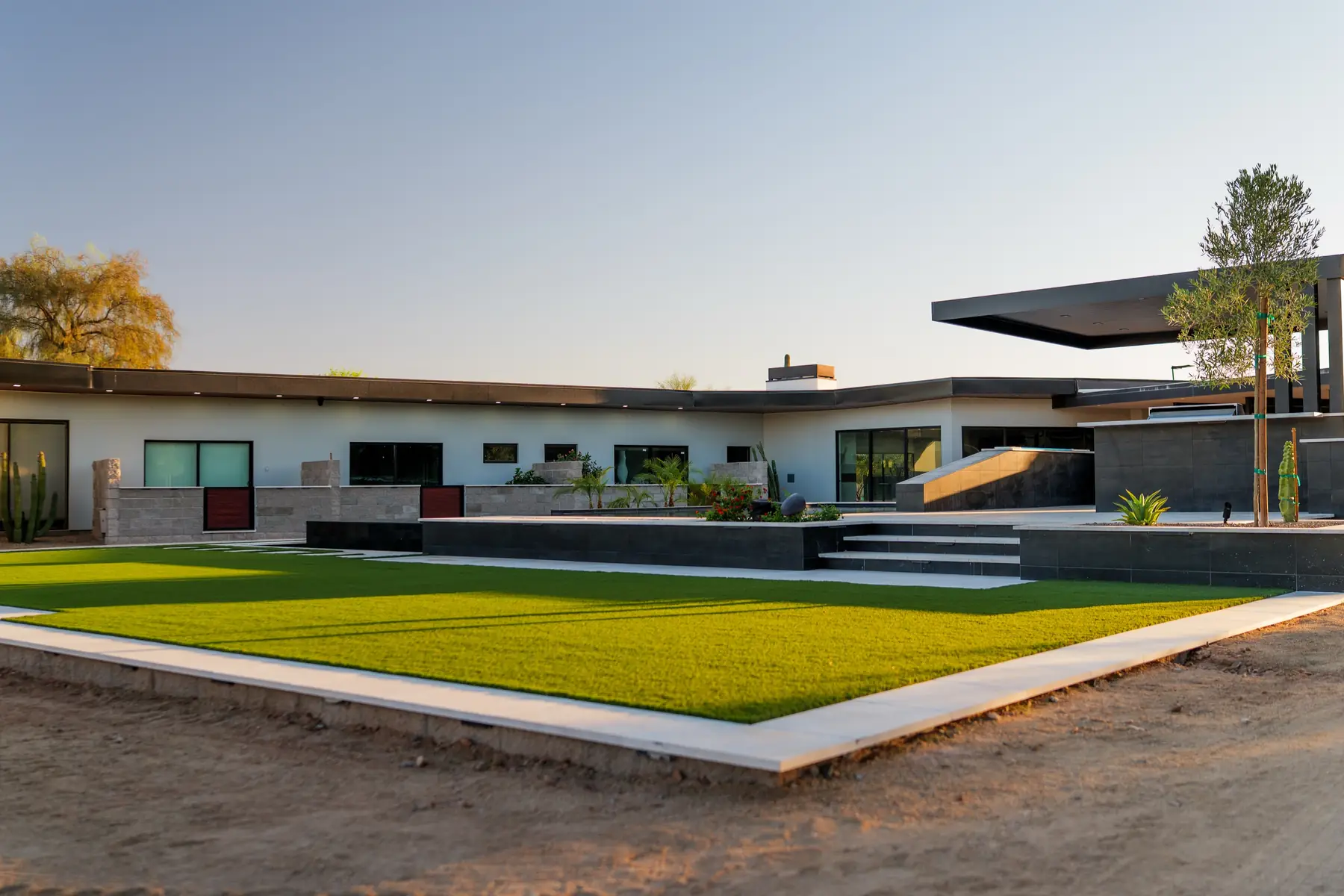
Yes, in most cases. Well-built pavers raise a home's value in two ways buyers can see: stronger curb appeal at the door and driveway, and real, usable outdoor living space out back. In the Phoenix market, where yards are used most of the year, a finished patio or walkway reads as move-in-ready rather than another project to tackle. The return is not guaranteed or fixed, though. It depends on your neighborhood, the quality of the install, and how the yard fits the rest of the home. Think of pavers as an upgrade that reliably helps you sell, and often for more, rather than a stock investment with a set payout.
Which hardscape upgrades add the most resale value?
Not every upgrade pulls the same weight. The ones that consistently help resale here add usable space, cut maintenance, or fix a real problem like drainage. The table below shows how common projects tend to move value and appeal in Phoenix. Treat the impact column as directional, based on what we see in the field, not a promised percentage. A paver patio and clean, low-water landscaping tend to be the safest bets across most price points, while high-end features like outdoor kitchens shine most in neighborhoods where buyers already expect them.
| Upgrade | General resale impact | Buyer appeal in Phoenix |
|---|---|---|
| Paver patio | Moderate to high | Adds usable, shade-ready living space most of the year |
| Paver driveway or walkway | Moderate | Strong curb appeal, reads as durable and low upkeep |
| Artificial turf | Moderate to high | No watering, always green, may qualify for water rebates |
| Outdoor kitchen | Varies, can be high | Big wow factor, best in higher-end neighborhoods |
| Fire pit or fireplace | Moderate | Extends patio use through cool desert evenings |
| Retaining walls | Low to moderate, often functional | Fixes grade and drainage, protects the yard in monsoon |
| Pool deck resurfacing | Moderate to high | Refreshes the deck and coping around an existing pool |
| Full landscape design | Moderate to high | Cohesive xeriscape yard shows as move-in ready |
Why do pavers pay off more in the Phoenix market?
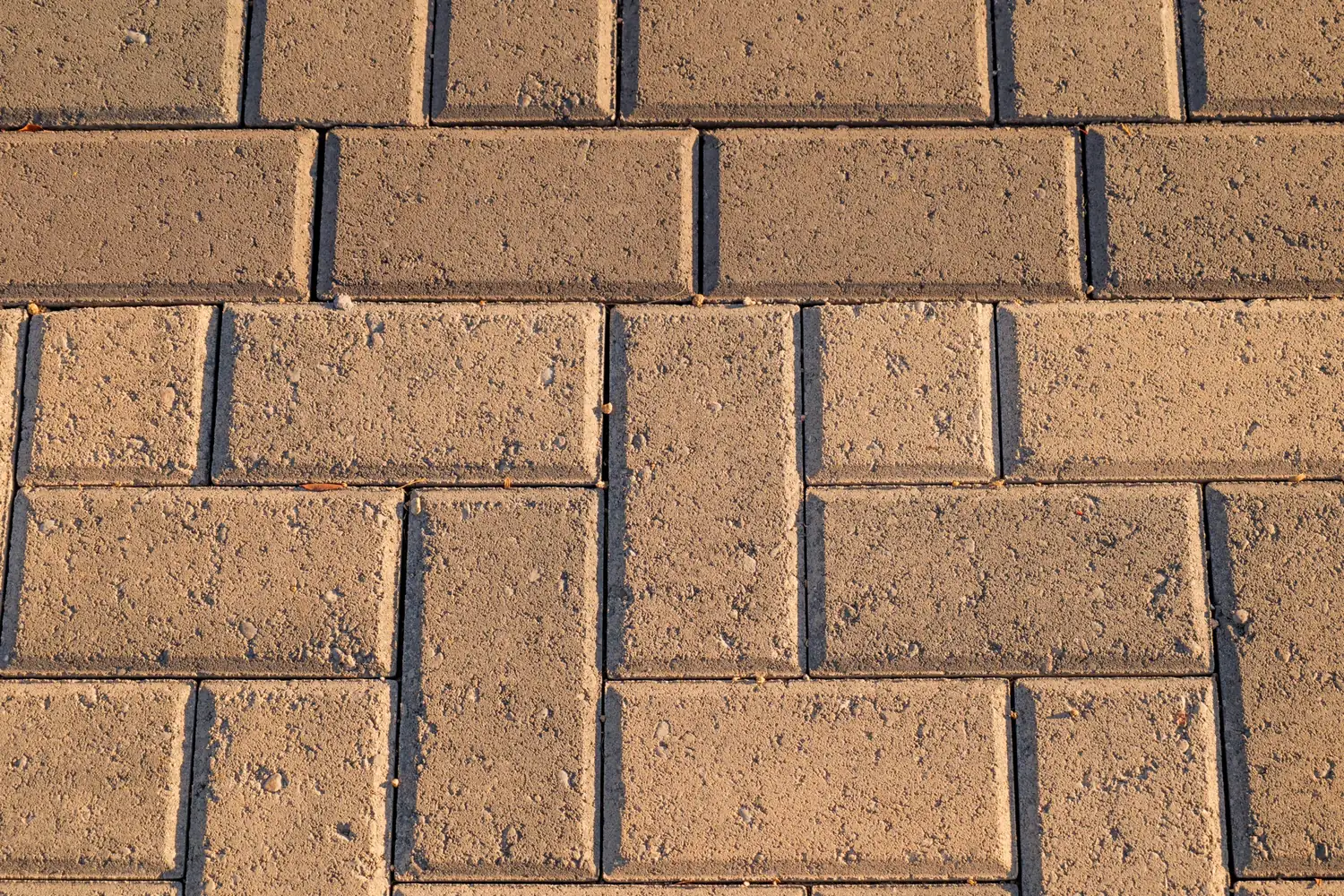
Desert conditions change the math. Phoenix homes get full sun and mild winters, so a paver patio or shaded seating area is usable a huge share of the year, which buyers value more than a lawn they have to water. Pavers also handle our extremes well: they flex with caliche soil movement, shed monsoon runoff better than a cracked slab, and can be lifted and reset if the ground shifts. Pair that with light, heat-smart tones and low-water landscaping, and the yard fits how people actually live here. Homes that already solve for heat, water, and upkeep tend to stand out on the Phoenix market.
What affects how much value pavers add to your home?
Three things move the number most: quality, fit, and paperwork. Quality is the base and the install; a patio built on a proper compacted base over our caliche soil stays flat for years, while a rushed job can settle or heave after the first monsoon and cost you at resale. Fit means matching the upgrade to the neighborhood, since an outdoor kitchen adds more in a higher-end area than an entry-level one. Paperwork matters too: licensed work under ROC 359628 and permits where required give buyers and inspectors confidence. Because every yard, home, and market is different, the only honest value figure comes from an on-site estimate.